Ambient Storage in Dammam vs Chilled: How to Choose the Right Warehouse in 2026
Picking the correct warehouse type is one of the most important decisions a logistics manager makes. Choose smart ambient storage in Dammam for the wrong goods and you risk spoilage; over-cool stable products and you burn cash on refrigeration you never needed. This 2026 guide clears up the confusion and shows you exactly when to use ambient space and when to switch to chilled.
Ambient storage means holding goods at natural room temperature in a clean, ventilated building, without active cooling. It is the workhorse of modern supply chains, and when matched to the right products it is both economical and highly effective.
Understanding Ambient Storage in Dammam
Dammam’s position on the Arabian Gulf makes it a prime logistics base. The city handles huge import volumes through King Abdulaziz Port, and much of that cargo needs nothing more than a secure, dry, well-ventilated home. That is exactly what ambient warehousing provides.
Despite the Eastern Province heat, a well-built ambient facility uses insulation, airflow, and shading to keep internal conditions stable. For thousands of product lines, that stability is all that is required to stay in perfect selling condition.
Products that thrive in ambient conditions
- Canned and bottled goods with long shelf lives.
- Dry foods such as rice, flour, and pasta.
- Household items, furniture, and textiles.
- Packaged electronics and consumer goods.
- Construction materials and industrial spare parts.
Ambient vs Chilled: The Key Differences
The simplest way to decide is to ask one question: does the product degrade at room temperature? If yes, it needs cooling. If no, ambient space is the cheaper, smarter choice. The table below makes the comparison clear.
| Factor | Ambient Storage | Chilled Storage |
|---|---|---|
| Temperature | Room temperature, ventilated | 0°C to 5°C |
| Energy cost | Low | Higher |
| Best goods | Dry, packaged, durable | Fresh, perishable, sensitive |
| Shelf life impact | Maintains stable items | Extends perishable life |
| Typical cost | Most economical | Premium |
Many operations need both. A single distributor might keep packaged snacks in ambient bays while routing fresh items to cold rooms. Pairing economical Ambient Storage in Dammam with cooled space elsewhere gives you the best of both worlds without overspending.
When You Genuinely Need Chilled Storage
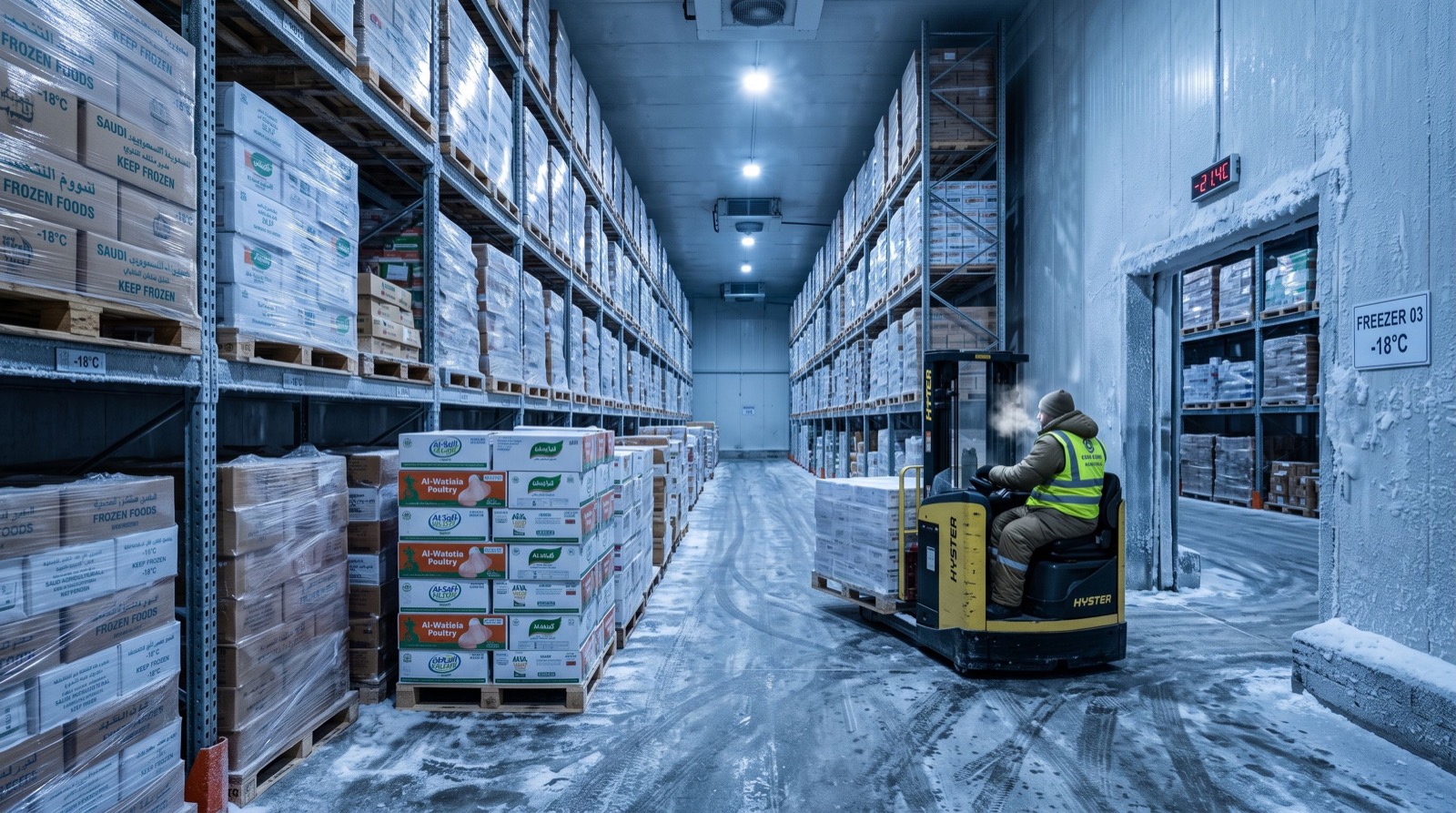
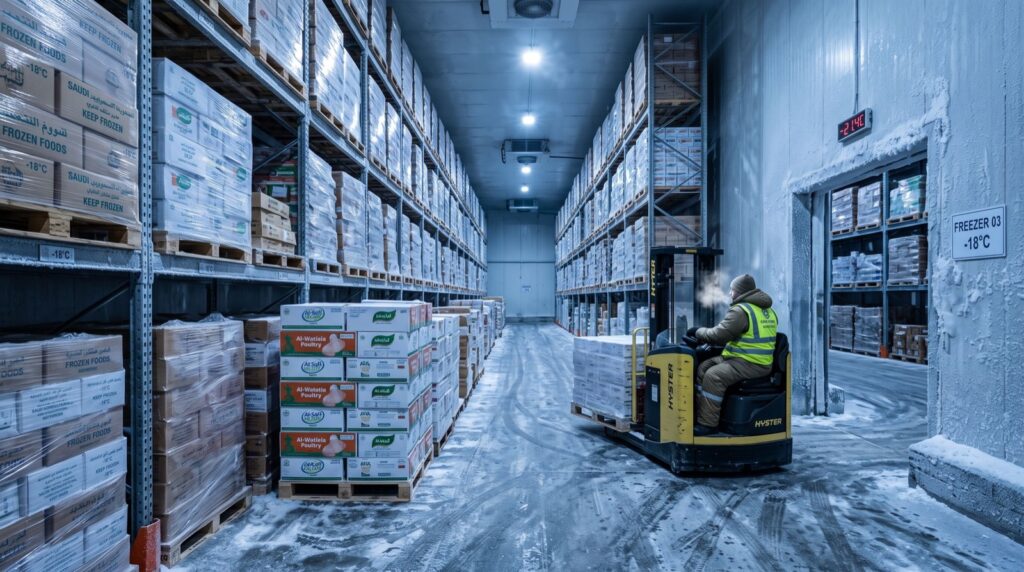
Some goods simply cannot survive ambient conditions. Dairy, fresh produce, meat, seafood, and many medicines all require constant refrigeration. For these, cutting corners is not an option; it is a safety and compliance risk.
If your supply chain reaches the capital, pair your Eastern Province ambient hub with reliable Chilled Storage in Riyadh so perishables stay protected across both major markets. A connected network keeps every product at its ideal temperature from arrival to delivery.
A real-world planning tip
Map your SKUs by sensitivity before leasing any space. We have seen companies save heavily by moving stable but valuable items out of chilled rooms into secure ambient zones. The products stayed safe, and the refrigeration budget dropped noticeably.
Features of a Quality Ambient Warehouse
Ambient does not mean basic. The best facilities in Dammam combine smart design with strong operational discipline.
- Insulated roofing and walls to buffer external heat.
- Ventilation systems that manage humidity and airflow.
- High-bay racking to use vertical space efficiently.
- Pest and dust control for food-grade and textile stock.
- Digital inventory tracking for live stock visibility.
- Round-the-clock security with CCTV and access control.
Choosing reputable service experts who understand both storage engineering and local compliance ensures your goods stay safe and your paperwork stays in order.
Cost and Growth Outlook for 2026
Ambient storage remains the most budget-friendly warehousing option because it avoids refrigeration energy costs. Pricing typically follows pallet positions or floor area, with optional services such as picking, packing, and transport added on.
Demand is climbing fast. The National Transport and Logistics Strategy under Vision 2030 is positioning Saudi Arabia as a global trade hub, and rising merchandise flows reported by the World Trade Organization point to ever-growing container volumes through ports like Dammam. Securing flexible warehouse space now protects you against future shortages.
Planning a Mixed Storage Strategy
The smartest supply chains rarely rely on a single storage type. Instead, they blend ambient, chilled, and frozen space to match every product to its ideal home. Planning that mix well is where real efficiency lives.
Start by grouping your inventory into temperature families. Stable, durable goods go into ambient zones, while anything that spoils or degrades moves to cooled rooms. This simple sort immediately shows how much premium space you truly need.
Next, think about location. An ambient hub in Dammam near the port handles bulk imports efficiently, while cooled space closer to consumer markets keeps perishables fresh for final delivery. A connected network reduces both transport time and risk.
Finally, build in flexibility. Demand shifts with seasons, promotions, and new product launches, so your storage plan should flex too. Reviewing the balance every quarter stops you from overpaying for cooling you no longer need or running short during a surge.
Signs you have the balance right
- Perishables never sit in uncooled space, even briefly.
- Stable goods are not wasting expensive refrigerated capacity.
- You can scale either zone up or down within days, not months.
Frequently Asked Questions
What is the difference between ambient and chilled storage?
Ambient storage keeps goods at natural room temperature in a ventilated building, ideal for dry and packaged items. Chilled storage actively cools products to between 0°C and 5°C for perishables like dairy, produce, and fresh pharmaceuticals.
Is ambient storage safe in Dammam’s hot climate?
Yes. Quality ambient warehouses use insulation, ventilation, and shading to keep internal conditions stable despite the external heat, protecting durable and packaged goods year-round.
Can I use both ambient and chilled storage together?
Absolutely. Many businesses run a mixed network, storing stable goods in ambient space and perishables in chilled rooms. This matches each product to its ideal environment while controlling costs.
Which storage type is cheaper?
Ambient storage is almost always cheaper because it requires no refrigeration and therefore uses far less energy. Reserve chilled storage for goods that genuinely need cooling.
Conclusion
Choosing between ambient storage in Dammam and chilled warehousing comes down to one factor: how your products behave at room temperature. Match durable, packaged goods to economical ambient space and route perishables to proper refrigeration, and you protect both quality and budget. As Saudi trade accelerates through 2026, a well-planned mix of storage types is the surest way to keep your supply chain lean, safe, and ready to grow.